
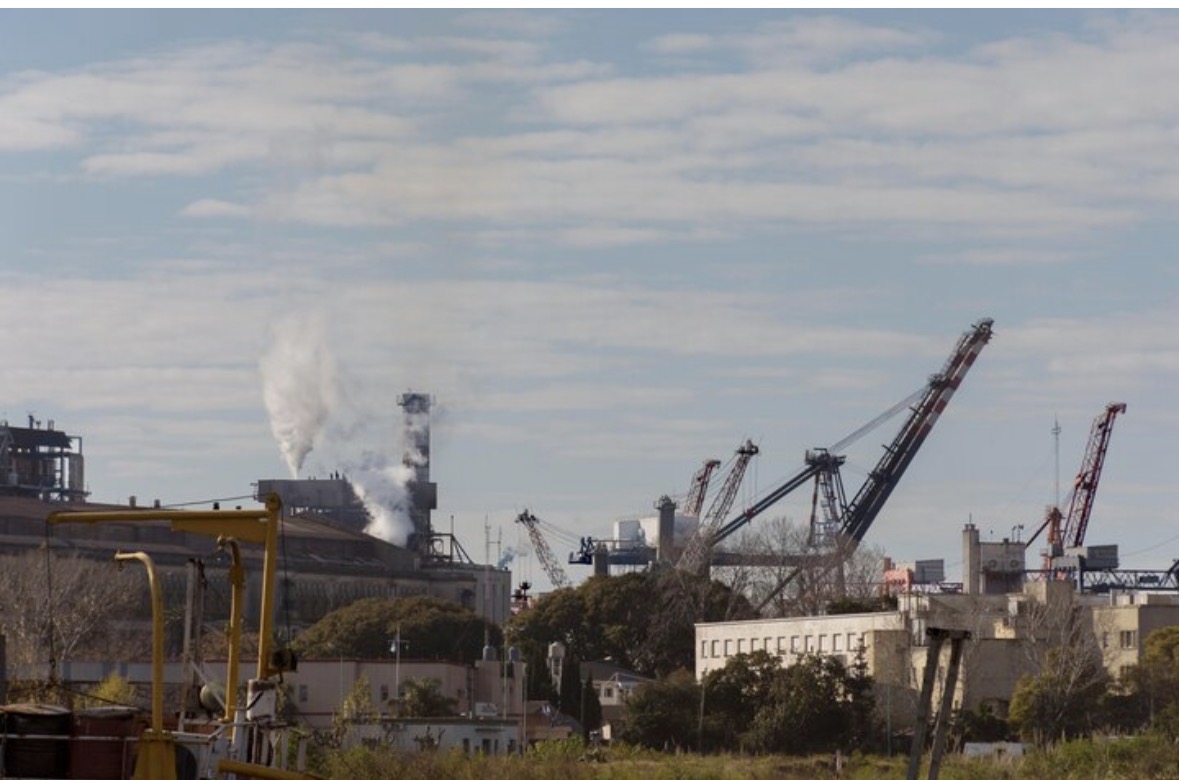
Industrial properties are essential to economic growth, but over time many facilities outlive their original purpose. Aging plants, unused manufacturing sites, and outdated warehouses can limit expansion and create safety concerns. When industrial structures no longer meet operational demands, professional demolition becomes the first step toward renewal. With careful planning and skilled execution, industrial demolition clears the way for modernization while protecting workers, surrounding properties, and the environment.
Industrial demolition is a complex process that requires detailed coordination. These projects often involve reinforced concrete, heavy steel frameworks, large equipment, and specialized infrastructure. Before any physical work begins, a thorough site assessment is conducted to evaluate structural components, utilities, access points, and potential hazards. This preparation allows demolition activities to proceed in a controlled and organized manner.
Working with an experienced provider for industrial demolition Birmingham AL ensures that projects remain compliant with regional regulations and industry standards. Trinity Industrial Services brings both local knowledge and technical expertise to each assignment. Their understanding of industrial facilities allows them to manage projects efficiently while addressing site specific challenges. From large scale manufacturing plants to distribution centers, each structure receives a tailored approach.
Safety is a primary focus throughout every stage of industrial demolition. Industrial environments may contain complex systems, elevated structures, and potentially hazardous materials. Skilled professionals oversee equipment operation, structural dismantling, and debris removal to ensure work progresses without compromising safety.

Clear communication is essential to keeping industrial demolition projects on schedule. Trinity works closely with property owners, engineers, and project managers to establish expectations and timelines from the outset. Detailed planning meetings and regular progress updates help maintain transparency. This collaborative approach supports smoother transitions from demolition to redevelopment.
Environmental responsibility is another important consideration in industrial demolition. Many industrial structures contain materials that can be recycled or repurposed. Trinity incorporates responsible material handling practices that focus on waste reduction whenever possible. Steel, concrete, and other salvageable materials may be separated for recycling, while debris is disposed of according to environmental guidelines. These efforts help minimize landfill impact and support sustainable land reuse.
Efficiency plays a critical role in industrial projects, particularly when redevelopment schedules depend on timely site preparation. Trinity utilizes modern equipment and proven demolition techniques to complete projects efficiently without sacrificing safety or quality. Their organized workflow helps reduce downtime and ensures that cleared sites are ready for the next phase of construction.
Each industrial demolition project presents unique challenges. Some sites require selective demolition to preserve certain structures, while others involve complete removal of large facilities. Trinity adapts its methods based on building design, surrounding infrastructure, and future plans for the property. This flexibility allows them to deliver consistent results across diverse industrial settings.
Industrial demolition is not simply about tearing down structures. It is about creating opportunity for growth, innovation, and economic development. A properly cleared site provides a strong foundation for new facilities, upgraded operations, and improved efficiency. Professional demolition sets the stage for safer and more productive industrial environments.
As Birmingham continues to evolve and attract investment, dependable demolition services remain essential to industrial progress. Trinity Industrial Services remains committed to supporting this growth through careful planning, safe practices, and skilled execution. Their dedication to quality work helps transform aging industrial properties into ready sites prepared for the next generation of development and advancement.